



Kolkata :: The Sovabazar Urban Conservation Exhibition at the Kolkata Centre for Creativity, by Calcutta Heritage Collective, in collaboration with School of Architecture, CEPT University, Ahmedabad bringing together conservation architects, developers, property owners and concerned citizens to reimagine one of North Kolkata’s most culturally rich neighborhoods.
The exhibition saw the culmination of a semester-long Conservation and Regeneration studio at CEPT University, led by some of the institution’s most respected faculty members. As part of their immersive engagement, students traveled to Kolkata and studied the culturally vibrant neighborhood in North Kolkata, Sovabazar – home to Kumartuli’s sculptural traditions, colonial-era mansions and ancient canals – developing nuanced proposals that balance preservation with modernization. Their designs ranged from adaptive reuse and sensitive restoration to public realm enhancements and policy toolkits, shifting the conversation from monument-centric conservation to a holistic vision of urban revitalization.
The showcase panelists included Vikas Dilawari from Mumbai, a conservation architect with more than three decades of experience and 19 UNESCO Asia-Pacific Awards for Cultural Preservation to his credit; Gurmeet Sangha Rai from Delhi, Founding Director of CRCI and The Lime Centre, with projects spanning UNESCO World Heritage sites and national monuments, recipient of multiple UNESCO awards including the Award for Excellence in 2023; and Sonal Mithal from Ahmedabad, an academic and practitioner in heritage studies whose work bridges policy, practice and education. They were joined by Hemant Bangur & Darshan Dudhoria, eminent industrialists and heritage conservation enthusiasts from Kolkata who brought on-ground perspectives to the discussion.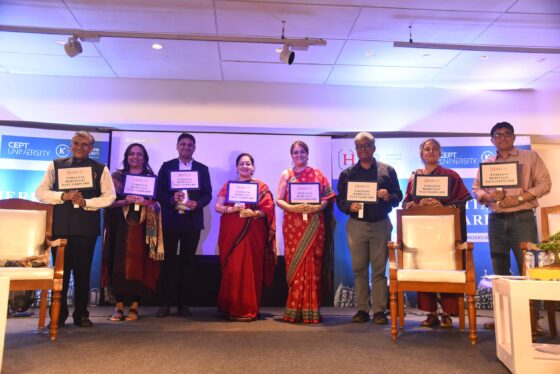
The panel discussion was facilitated by faculty members, Ayan Sen and Sonal Mithal, who reflected on ‘Conservation as a tool for sustainable urban future’ and the idea of ‘Architectural alchemy – turning heritage into opportunity’ with industry experts.
The seminar itself offered a before-and-after lens: it began with presentations on Sovabazar’s current state – crumbling colonial mansions, fragile canals, and the living but endangered traditions of Kumartuli – before moving into student-led proposals that reimagined these spaces as vibrant, adaptive and sustainable. This shift allowed the audience to see clearly what is at risk, and how timely intervention could reshape decline into opportunity. The exhibition showcased detailed documentation, measured drawings, urban analyses and visual renderings alongside innovative proposals for adaptive reuse, community spaces, streetscape improvements, and conservation toolkits – demonstrating both the academic rigour and creative imagination required to address heritage in today’s urban context.
The event underscored the power of academic inquiry in shaping the city’s future, while also emphasizing the role of citizens in heritage preservation. As an inclusive initiative, the Calcutta Heritage Collective encourages participation from all — whether through volunteering, pledging support or lending expertise.
Speaking at the occasion, Mukul Agarwal, Founder Trustee of the Calcutta Heritage Collective, said “The Sovabazar exhibition is not just an academic showcase; it is a call to action. It exemplifies our belief that preserving any city’s built heritage is the road to a sustainable future and Kolkata definitely deserves this as a collective effort. We want that conservation inspires the future, where Kolkata’s timeless past finds new life!”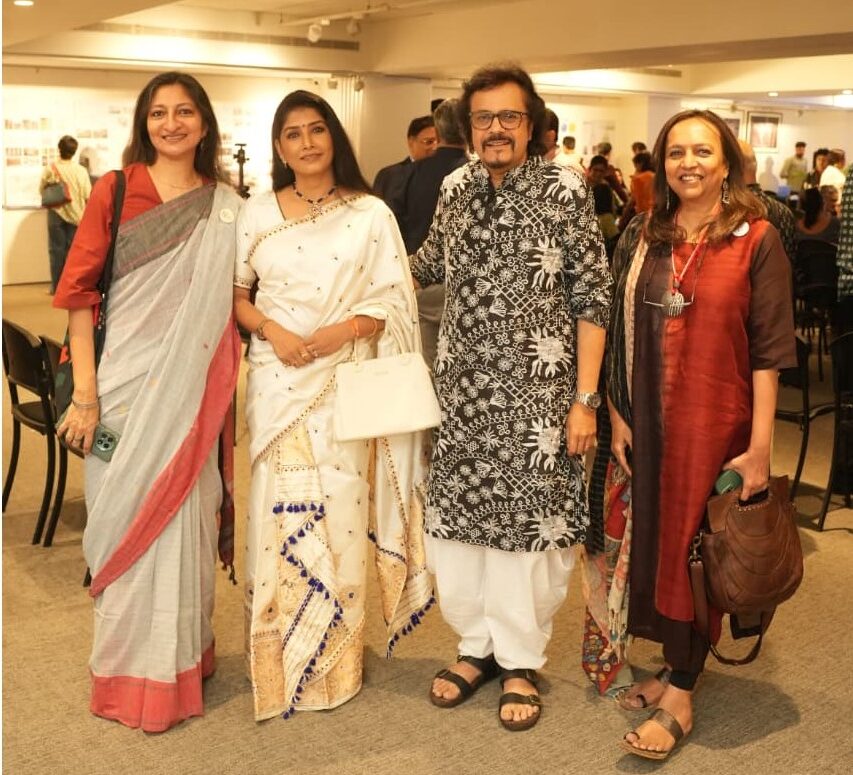
Also present at the event were Apurva Salarpuria, Chairman of CREDAI, as Guest of Honour, and CHC’s Cause Ambassador, renowned percussionist Bickram Ghosh, along with his wife, acclaimed actor-dancer Jaya Seal Ghosh.
The Sovabazar Urban Conservation Exhibition stands as a testimony to what collaboration between academia, practitioners, and the community can achieve – bridging the past with the present, and ensuring that Kolkata’s cultural fabric remains resilient and relevant for generations to come.
Calcutta Heritage Collective (CHC) is a voluntary citizens’ initiative, founded in 2018, committed to preserving, restoring, and reimagining Kolkata’s built heritage. CHC has undertaken varied projects in its efforts to preserve architectural heritage, including the restoration of the Chaitanya Library, conservation work at a temple in Kumartuli, among other initiatives that safeguard and celebrate the city’s cultural fabric.
On the other hand Kolkata Centre for Creativity (KCC) is a 70,000 sq. ft. multidisciplinary arts hub established in 2018 by the Emami Group. It houses galleries, performance spaces, workshops, and a conservation lab, fostering dialogue and exchange across art, craft, and community.
At the exhibition, CHC also announced the launch of its Volunteer & Association Program, a city-wide initiative designed to involve citizens directly in the safeguarding of Kolkata’s built heritage. The program invites individuals to contribute time, skills, and resources — from documentation and research to awareness campaigns and hands-on restoration efforts. A poster announcing the program was also unveiled, creating a symbolic call-to-action for collective citizen engagement in heritage conservation.